This is a tool inspired by the method of active imagination proposed by C. G. Jung. This entails diving into the depths of the unconscious mind by employing creative and symbolic forms of visualization.
Step 1. Begin with a multisensory image (perhaps based on one of the poems in this book).
Start your active imagination journey by selecting a mental image, one that can originate from any of your senses or even combine them. This image will serve as the central focus for your session.
Step 2. Contemplate and observe.
Find a quiet, comfortable spot free from distractions. Close your eyes and bring the chosen multisensory image to your mind’s eye. Contemplate it deeply, and observe it closely, engaging all your senses. Pay attention to every detail, whether it’s the vivid colours, the texture under your fingertips, or the subtle scent in the air.
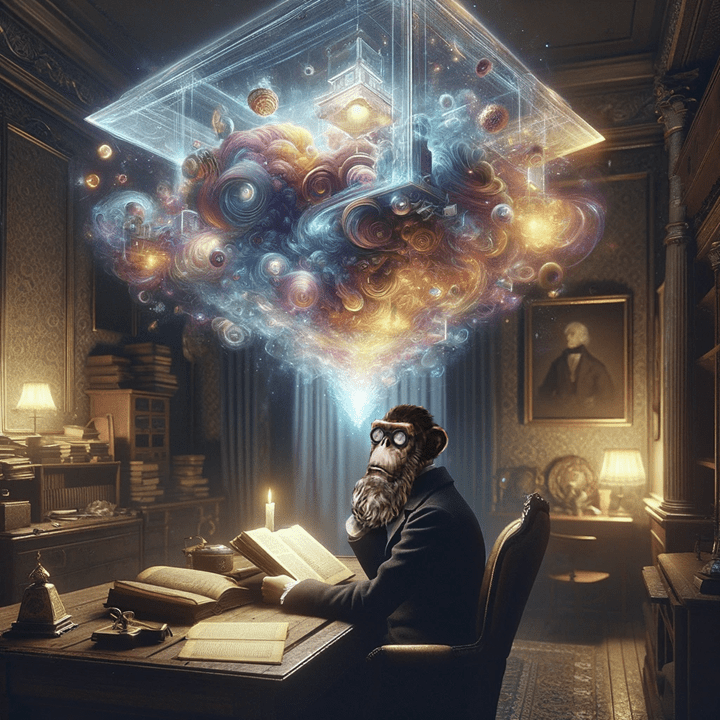
Step 3. Allow spontaneous changes.
Resist the impulse to consciously shape the image or impose your thoughts upon it. Instead, merely watch and let it transform and evolve on its own. Notice how this multisensory image naturally shifts, possibly through spontaneous associations between your senses.
Step 4. Avoid impatience and distraction.
Maintain your patience and focus throughout the process. Refrain from rapidly jumping from one thought or image to another. Remember that this journey requires time and dedication. Keep your attention fixed on the initial multisensory image, even if it appears unchanging initially.
Step 5. Document changes.
As the multisensory image undergoes alterations, take mental notes or employ a journal to record each sensory transformation. Document the details and nuances of these sensory shifts.
Step 6: Step into the multisensory experience.
Once the image has sufficiently transformed, envision yourself stepping into it, as if immersing yourself in a different sensory world. If the multisensory image includes a speaking figure, engage in a conversation. Express your thoughts and sensations and listen attentively to their responses through any of your senses.
Step 7. Analyse and reflect.
Following your active imagination session, allocate time to analyse your multisensory experiences. Reflect upon the sensory changes, conversations, and emotions you experienced. Consider the symbolism and meaning of the elements that came up.
Step 8. Unite the the experience with present awareness. This process gradually cultivates unity between your conscious and unconscious mind, a key step in your journey toward self-individuation. Note that active imagination is an intensely personal and introspective practice. Exercise patience and permit your inner world to unfold organically. Over time, this technique can lead to profound insights and self-discovery through the richness of your multisensory experiences.
 Welcome to the universe of Thorpe Brown, philosopher and artist